
GLP-1 Medications:
A Powerful Tool, But What Comes Next?
Why Your Long-Term Weight Loss Strategy Needs More Than a Prescription

GLP-1 medications have been making headlines as the newest “miracle” for weight loss. Everyone—from Hollywood elites to medical professionals—is talking about them.
But here’s the thing: weight loss isn’t just about shedding pounds. It’s about sustaining those results, maintaining muscle mass, and ensuring your body is as strong as it is healthy.
That’s where the real challenge begins.
Because what happens once you stop taking GLP-1s?
The weight can come creeping back, and without the right support system, you’re left playing the same exhausting game of yo-yo dieting. Plus, relying on expensive medications or insurance coverage for weight management isn’t sustainable long-term. Your health shouldn’t be dictated by prescription costs or policy changes—especially when food and exercise will always be options for maintaining a healthy weight.
This is exactly why Shapa is changing the conversation.
GLP-1s can be an effective tool, but they’re just one piece of the puzzle. Shapa’s Stress-Free Numberless Scale® helps patients—and providers—bridge the gap between short-term weight loss and long-term metabolic health by connecting sustainable habits like nutrition and movement with real, lasting progress.
Let’s break it down.
What Are GLP-1 Medications?
—And How Do They Work?
GLP-1 (Glucagon-Like Peptide-1) receptor agonists—like Ozempic, Wegovy, Mounjaro, Zepbound and Tirzepatide—were originally designed to treat Type 2 diabetes.
But then something fascinating happened: patients started losing weight.
A lot of it.
Why?
GLP-1s help regulate blood sugar, slow digestion, and decrease appetite. In short, they make you feel full longer and help control cravings, making it easier to eat less and lose weight. Sounds amazing, right?It is… until you stop taking them.
But then something fascinating happened: patients started losing weight.
A lot of it.
Why?
GLP-1s help regulate blood sugar, slow digestion, and decrease appetite. In short, they make you feel full longer and help control cravings, making it easier to eat less and lose weight. Sounds amazing, right?It is… until you stop taking them.
Here’s what happens next:
- Your appetite returns—fast. Without GLP-1s, your hunger hormones can come roaring back, making it hard to maintain the progress you made.
- You lose muscle mass along with fat. GLP-1s don’t just target fat—they can also lead to muscle loss, which slows metabolism and makes it harder to keep weight off.
- Many patients experience weight regain. Studies show that without proper behavioral strategies in place, most people regain a significant amount of the weight they lost once they stop the medication.
This is where Shapa steps in.
Shapa: The Solution That Keeps You on Track—With or Without GLP-1s
Losing weight is one thing.
Keeping it off—and staying strong—is another.
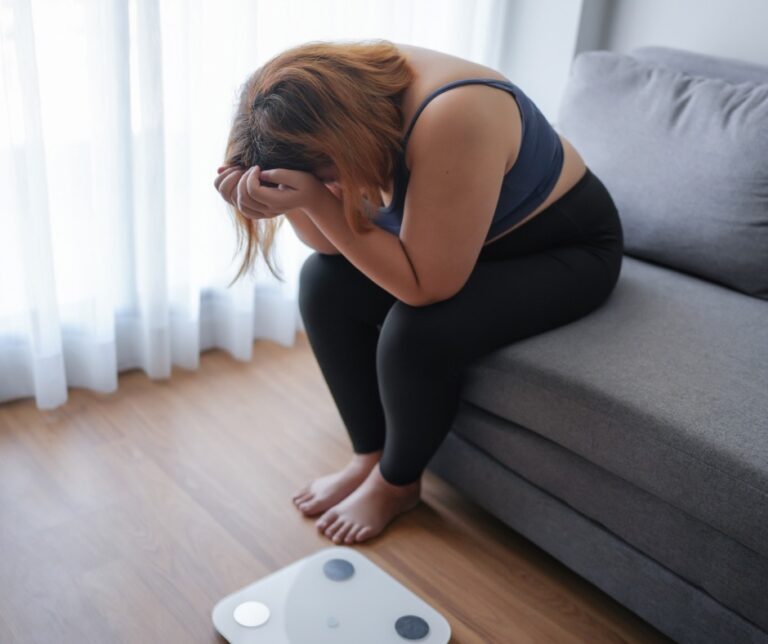
Stepping on the scale shouldn’t feel like a daily test. Yet, for many, that number dictates their mood, motivation, and even their self-worth.
Shapa changes that.
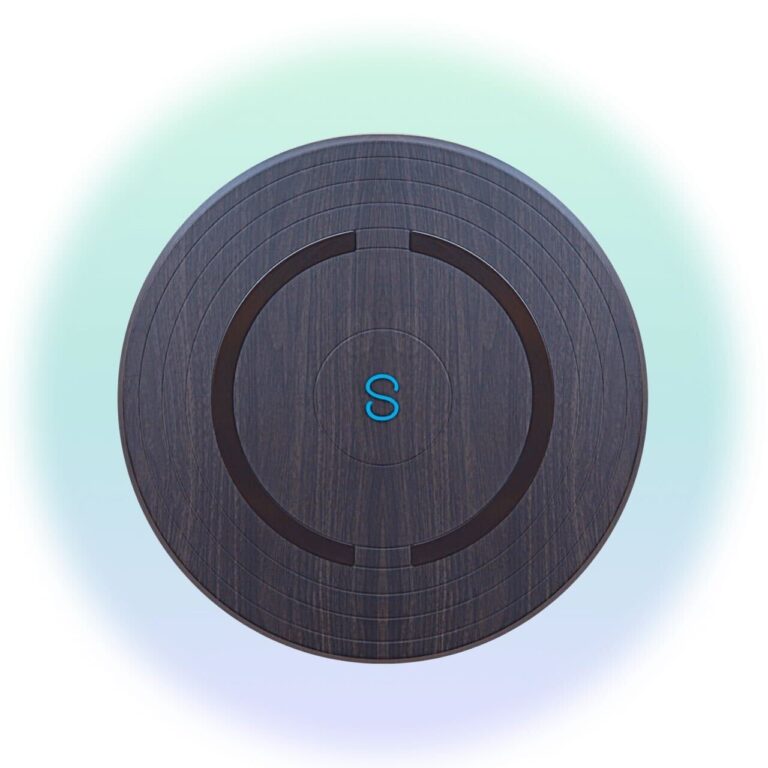
Our Stress-Free Numberless Scale®, replaces numbers with a color-based system that tracks long-term trends, helping you focus on progress without the emotional rollercoaster. You step on daily, just like any other scale, but instead of fixating on weight, Shapa’s AI provides personalized insights to guide your journey.
Because real success isn’t just about losing weight—it’s about building habits that last.
Why Traditional Scales Are Failing Patients
If you’ve ever felt the crushing anxiety of stepping on a scale, you’re not alone. Weight fluctuates for dozens of reasons—water retention, muscle gain, hormonal shifts—but traditional scales only give you a number with zero context.
And numbers? They mess with people’s heads.
Shapa removes that psychological trap by eliminating numbers and replacing them with color-coded feedback that tracks real, meaningful progress over time.
No more scale anxiety.
No more daily frustration.
Just a smarter, stress-free approach to weight management.
How Shapa Helps Patients Maintain Results & Build Muscle Mass
—
Weight loss without muscle retention is a dangerous game—one that leads to metabolic slowdown and future weight gain. That’s why Shapa isn’t just about keeping the weight off—it’s about keeping your body strong.
Here’s how it works:
- Stress-Free Numberless Scale® – Say goodbye to number obsession. Get real feedback that actually helps you maintain results.
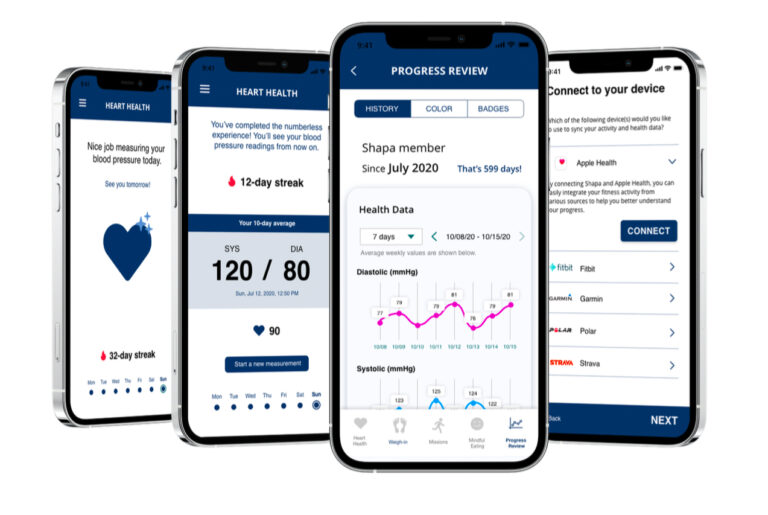
- Stress-Free Blood Pressure Monitor – Keep track of overall health without the pressure of fluctuating numbers.
- Support for More Patients – Accommodates individuals up to 550 lbs, ensuring inclusivity for all body types.
- AI-Powered Insights – Advanced data-driven analysis for both in-clinic and outpatient care.
- Personalized Coaching – Intelligent, customized support to help prevent weight regain.
- Behavior-Based Approach – Focuses on long-term habit formation rather than short-term fixes.
- Clinical Dashboard – Real-time insights and tools for healthcare providers to track patient progress effortlessly.
Why Medical Providers Trust Shapa
Healthcare providers know that real success isn’t just about getting patients to lose weight—it’s about keeping them engaged, healthy, and strong.
Shapa offers a better way to manage weight beyond medication:
- Higher Engagement – Patients feel encouraged, not discouraged.
- Better Health Outcomes – Sustainable progress over short-term fixes.
- Reduced Healthcare Costs – Prevention over costly interventions.
- Seamless Integration – Simple tools for patient monitoring and tracking.
- Unmatched Inclusivity – A solution designed for all body types and sizes.
The Bottom Line: GLP-1s Are a Tool—Not the Whole Solution
If you’re on GLP-1s, great—they can be a powerful tool in your weight loss journey. But if you don’t have a plan for what happens after you stop taking them, you’re setting yourself up for frustration.
Shapa is the missing piece in long-term weight management.
- No more number obsession.
- No more post-GLP-1 weight rebound.
- No more guesswork.
Whether you’re a patient looking to maintain your results or a clinician searching for a smarter obesity care solution, Shapa provides the sustainable, inclusive, and science-backed support needed for lifelong success.
Are you ready to build lasting health, strength, and confidence?
Join Shapa.
Because real wellness doesn’t stop when the medication does.
Want to Learn More?
GLP-1 Insights & News
Explore our collection of articles on GLP-1 medications, including the latest insights, updates, and strategies for maintaining weight loss. Stay informed on how GLP-1s are changing the weight loss landscape and what you need to know for long-term success.
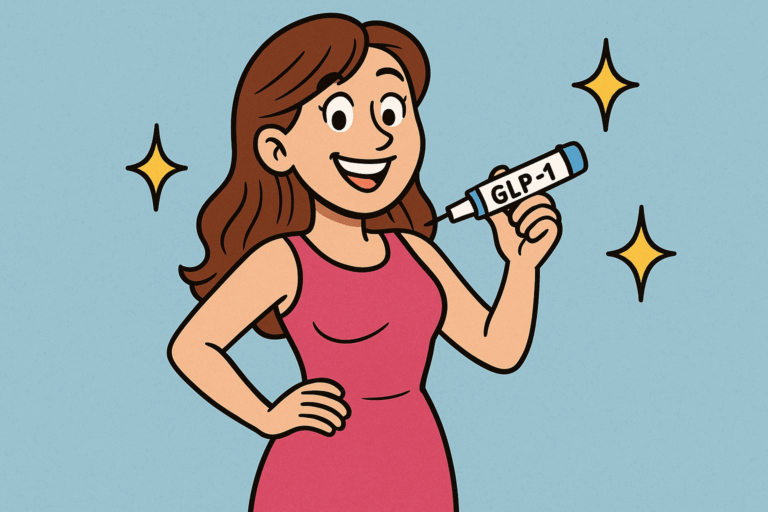
Let’s get one thing straight—GLP-1s are not just another fad in the ever-revolving door of weight loss gimmicks. They’re a biological revolution, a pharmacological breakthrough that has rewritten the narrative around obesity and metabolic health. But now that they’re here, lighting the path for millions toward sustainable weight loss and better health outcomes, an equally pressing question emerges: How long should you stay on them? This isn’t just a clinical decision. It’s a deeply personal one. And it doesn’t come with an easy answer. Because if you’re reading this, you’re likely not just trying to shed pounds—you’re fighting for your life, your identity, your confidence, your energy, and your future. So let’s talk about it. Boldly. Truthfully. Compassionately.

If you’re taking a GLP-1 like Ozempic, Wegovy, Mounjaro, Zepbound or Tirzepatide, it’s probably not because you just wanted to see a lower number on the scale. You wanted to feel different. You wanted relief. You wanted the noise to stop. That endless reel of food thoughts that played on loop from the moment you opened your eyes: What can I eat today? Did I ruin everything last night? Should I skip breakfast? I’ll be “good” today. Is it time for lunch yet? I deserve this snack… right? It’s not hunger. It’s not greed. It’s not even willpower. It’s food noise—and it’s one of the most misunderstood, under-discussed burdens of living in a body that feels out of alignment with your mind. GLP-1s, for the first time in some people’s lives, silence that voice.

Let’s talk about GLP-1 receptor agonists—the so-called magic bullets for weight loss that Big Pharma and Silicon Valley can’t stop gushing over. You’ve seen the headlines:
“Ozempic melts fat!”
“Wegovy is the answer to obesity!”
“Mounjaro is changing the game!”
Sounds like the breakthrough we’ve all been waiting for, right? Just pop a shot, watch the pounds drop, and finally break up with your fridge. No more endless calorie counting, no more 5 AM workouts, no more why did I just eat an entire loaf of sourdough in one sitting guilt spirals. But hold on—what’s really happening inside your body when you take these meds? If you think GLP-1s simply turn off your appetite like a light switch, think again. These drugs fundamentally rewire how your body handles energy, insulin, and hunger itself.

You wake up with a plan.
Today, you’ll be in control. You’ll make healthy choices. You’ll stay focused. But by mid-morning, something shifts. The cravings creep in, the justifications whisper, and suddenly, food is on your mind—constantly. This isn’t hunger. This is food noise—a relentless mental loop that hijacks your day, your focus, and your goals. And for anyone who’s used GLP-1 medications to lose weight, you know the silence that follows—the sweet relief when that noise fades away. But what happens when the meds stop?

If you’ve been on a GLP-1 like Ozempic, Wegovy, Mounjaro, Zepbound or Tirzepatide, you know it’s not just another weight-loss trend—it’s a revolution.
These medications have reshaped the way we approach obesity, proving once and for all that weight loss isn’t just about “willpower” or “eating less and moving more.” It’s biology. It’s hormones. It’s science.
GLP-1s suppress appetite, slow gastric emptying, and regulate blood sugar in ways that make sustainable weight loss feel possible—sometimes for the first time in a person’s life. The stories are inspiring: People who have struggled for decades finally seeing progress, feeling full after small meals, and experiencing what it’s like to live without an overwhelming, constant hunger. But what happens when the injections stop?

Many people find themselves stuck in a cycle of endless diets with fluctuating results, but GLP-1s offer a game-changing solution. These medications aren’t a fad; they’re addressing underlying issues like insulin resistance, high blood sugar, and constant hunger. GLP-1s break the cycle of metabolic dysfunction, bad cravings, and frustration, offering a solution to a problem many didn’t realize their body was fighting.