How Long Should You Stay on GLP-1s?

Why the answer isn’t one-size-fits-all—and how to honor your body, your biology, and your big-picture goals.
—
Let’s get one thing straight—GLP-1s are not just another fad in the ever-revolving door of weight loss gimmicks. They’re a biological revolution, a pharmacological breakthrough that has rewritten the narrative around obesity and metabolic health. But now that they’re here, lighting the path for millions toward sustainable weight loss and better health outcomes, an equally pressing question emerges:
How long should you stay on them?
This isn’t just a clinical decision. It’s a deeply personal one. And it doesn’t come with an easy answer. Because if you’re reading this, you’re likely not just trying to shed pounds—you’re fighting for your life, your identity, your confidence, your energy, and your future.
So let’s talk about it. Boldly. Truthfully. Compassionately.
The Promise—and the Pressure—of the GLP-1 Era
If you’ve ever spent years trapped in the exhausting cycle of yo-yo dieting, calorie counting, shame-laced weigh-ins, and unsolicited advice from people who don’t understand metabolic dysfunction, GLP-1s may have felt like a miracle.
“For the first time in my adult life, I wasn’t constantly thinking about food.”
— Michelle, 39, down 52 lbs on semaglutide after battling PCOS and insulin resistance since her twenties.
It’s not just about the weight. It’s about peace of mind.
About getting off the hamster wheel and finally tasting what freedom from food obsession feels like.
But for many, that freedom comes at a cost—literally and figuratively. Side effects, insurance battles, societal judgment, internal guilt. And at some point in your journey, you may begin to ask:
“Can I stay on this forever?”
“Should I?”
“What happens if I stop?”
Let’s unpack that.
The Truth: GLP-1s Were Never Meant to Be a Forever Drug (for Everyone)
GLP-1 agonists like semaglutide (Ozempic, Wegovy) and tirzepatide (Mounjaro, Zepbound) were originally developed to treat type 2 diabetes. The profound weight loss effects were, in many cases, a secondary benefit—but one that reshaped the global conversation around obesity. And rightly so.
But the biology of weight loss is not just about losing weight. It’s about keeping it off. And here’s where it gets real:
When you stop taking GLP-1s, the appetite returns. The cravings come back. The weight can creep up. Not because you’re lazy. Not because you lack willpower.
But because your body is wired to regain what it believes it lost in a famine.
GLP-1s fight that wiring. So when they’re removed, you need a plan. A structure. A safety net.
So… How Long Should You Stay On?
Here’s the only honest answer: It depends.
Because every patient story is different—and the timeline should reflect that.
1. The Lifelong Prescription (and That’s Okay)
For those with chronic obesity, insulin resistance, or type 2 diabetes, GLP-1s may be a maintenance therapy, much like blood pressure medication.
If your body consistently fights against your weight loss even with lifestyle changes, staying on a lower dose long-term may be the safest, most sustainable option. It’s not cheating. It’s managing a condition. Full stop.
2. The “Lose and Taper” Path
Some people use GLP-1s to jumpstart their health journey, lose a significant amount of weight, and then taper off while maintaining new habits.
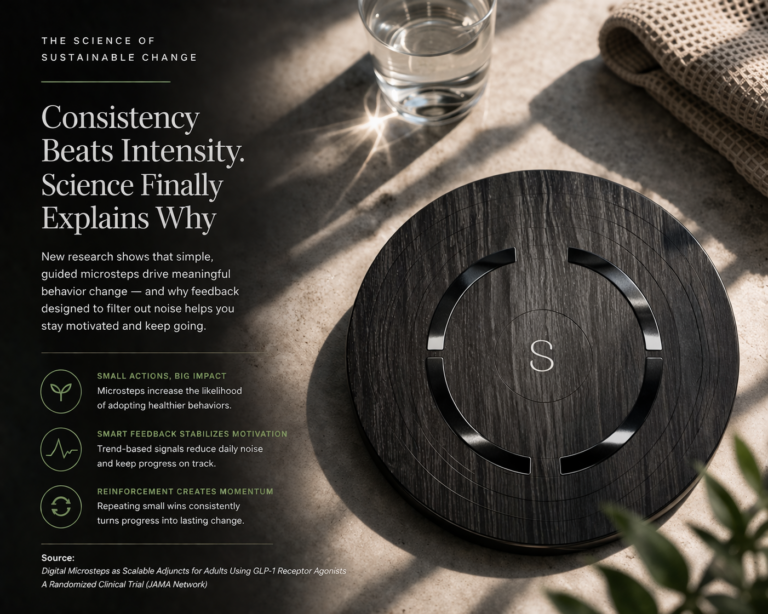
This requires incredible intention, a solid behavior-change plan, accountability tools (like Shapa), and often, a restructured relationship with food, fitness, and emotional coping.
It also requires grace. Because even with the best plan, some weight regain is normal—and not a failure.
3. The “Temporary Reset” Story
Others use GLP-1s briefly to stabilize erratic blood sugar, reduce binge eating behaviors, or prepare for surgery. This is more of a metabolic recalibration than a long-term strategy, but it can be life-changing in its own right.
When Might Tapering Off Make Sense?
- You’ve reached a stable weight and have maintained it for several months
- You’ve developed sustainable habits and are using tools like Shapa to stay accountable
- You’re experiencing unmanageable side effects
- Your insurance no longer covers it, and paying out of pocket is not realistic
- You want to become pregnant or are planning for fertility
- You’ve worked with your doctor and feel confident about the next phase of your journey
But even then, tapering should be supervised, gradual, and supported. This isn’t the moment to go it alone.
Let’s Not Pretend This Is Easy
You might be worried about “needing” a drug to stay at your healthy weight. You might feel pressure from friends, partners, even doctors who don’t understand why you’re still taking something “just for weight.” You might feel like your success is conditional. Like it could slip away the minute you stop.
That fear is valid.
That pressure is real.
And your desire to make an empowered, informed decision is what makes you courageous.
Let’s say it louder for the people in the back:
Using a GLP-1 is not weakness. It’s wisdom.
Staying on it long-term is not failure. It’s strategy.
Tapering off is not superior. It’s just different.
This Is Your Journey
There is no moral high ground in weight loss. There’s no prize for “doing it the hard way.” Whether you stay on a GLP-1 for three months or three decades, your story is valid, your body is worthy, and your progress is sacred.
Let science guide you.
Let your body inform you.
Let your intuition empower you.
And no matter what path you take—you don’t owe anyone an explanation.
At Shapa, We See You.
We’re here to support you with real tools, not gimmicks. With data, not shame. With compassion, not judgment.
Because sustainable health isn’t a number on the scale—it’s how you live your life.
And you deserve to live it boldly, freely, and fully—with or without a prescription.