The GLP-1 Exit Plan: How to Keep the Weight Off Without the Meds


GLP-1s Changed the Game—But Now What?
If you’ve been on a GLP-1 like Ozempic, Wegovy, Mounjaro, Zepbound or Tirzepatide, you know it’s not just another weight-loss trend—it’s a revolution.
These medications have reshaped the way we approach obesity, proving once and for all that weight loss isn’t just about “willpower” or “eating less and moving more.” It’s biology. It’s hormones. It’s science.
GLP-1s suppress appetite, slow gastric emptying, and regulate blood sugar in ways that make sustainable weight loss feel possible—sometimes for the first time in a person’s life.
The stories are inspiring: People who have struggled for decades finally seeing progress, feeling full after small meals, and experiencing what it’s like to live without an overwhelming, constant hunger.
But what happens when the injections stop?
Whether it’s due to cost, side effects, or personal choice, many people find themselves facing a terrifying reality: Weight regain is common, and for some, it’s rapid.
And it’s not because they’ve suddenly lost discipline.
Why Do Some People Regain Weight After GLP-1s?
Your body is wired for survival.
When weight is lost—especially quickly—your metabolism adapts. Hormones like ghrelin (the hunger hormone) surge. Metabolic rate slows. Your body fights to regain lost weight, mistaking the loss for a crisis rather than an intentional effort.
A 2022 study found that within a year of stopping GLP-1 medications, participants regained, on average, two-thirds of the weight they lost. Not because they failed, but because biology is relentless.
But here’s the good news: Regain is not inevitable.
The people who successfully maintain their weight post-GLP-1s don’t just “try harder.” They follow a science-backed strategy that keeps their metabolism strong, their hunger in check, and their habits locked in.
The Post-GLP-1 Success Formula
If you want to maintain your progress after GLP-1s, you can’t rely on motivation alone. You need a strategy. A system. A plan.
1. Strength Train Like Your Success Depends on It (Because It Does)
One of the lesser-discussed effects of GLP-1 medications is that, while they promote weight loss, some of that loss can come from muscle mass—especially if you weren’t lifting weights.
When the medication stops, your metabolism will be slower than before unless you actively rebuild that lost muscle.
Strength training is non-negotiable. It’s your metabolic insurance policy.
- Aim for 3-4 sessions per week of resistance training.
- Focus on progressive overload—gradually increasing weights over time.
- Prioritize protein intake to support muscle repair and prevent further loss.
Without this, maintaining your weight loss will feel like an uphill battle.
2. Eat Like You’re Still on the Medication
GLP-1s forced structure into eating patterns—smaller portions, high-protein meals, minimal snacking. Just because you’re off the medication doesn’t mean those habits should disappear.
- Stick to high-protein, fiber-rich meals that promote satiety.
- Avoid highly processed foods that trigger cravings and blood sugar spikes.
- Continue eating slowly and mindfully—it takes time for fullness signals to register.
Your body will naturally try to revert to pre-medication hunger levels, so maintaining the same eating behaviors is crucial.
3. Stay Ahead of Your Hunger
One of the biggest challenges post-GLP-1 is hunger returning with a vengeance. Many people underestimate how powerful this effect can be—until they find themselves constantly thinking about food again.
- Don’t wait until you’re starving. Plan meals and snacks so you stay ahead of hunger.
- Incorporate healthy fats like avocado, nuts, and olive oil to extend satiety.
- Hydration matters—thirst can mimic hunger, so drink plenty of water.
If you go back to eating reactively rather than proactively, your hunger will win.
4. Get Obsessive About Your Data—But Not the Scale
Here’s where most people go wrong: They rely on the scale as their only measure of success. The problem? Daily fluctuations can be misleading, triggering panic and self-sabotage.
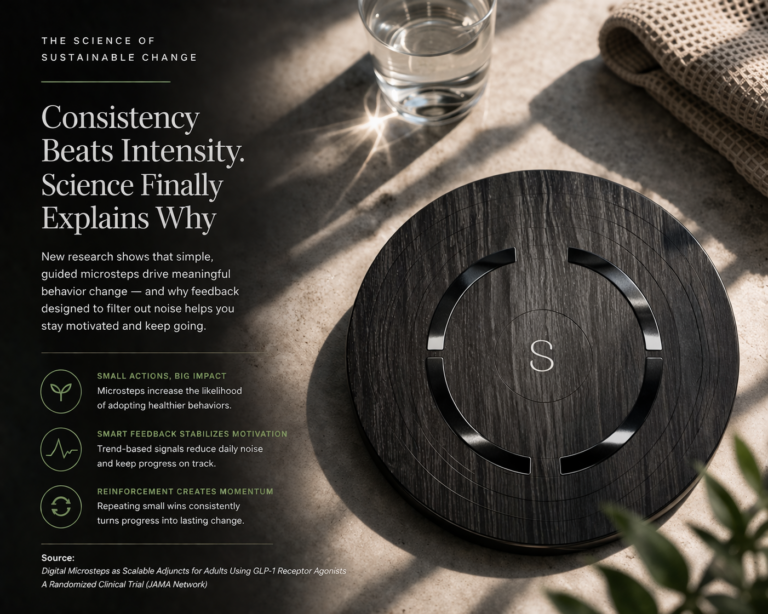
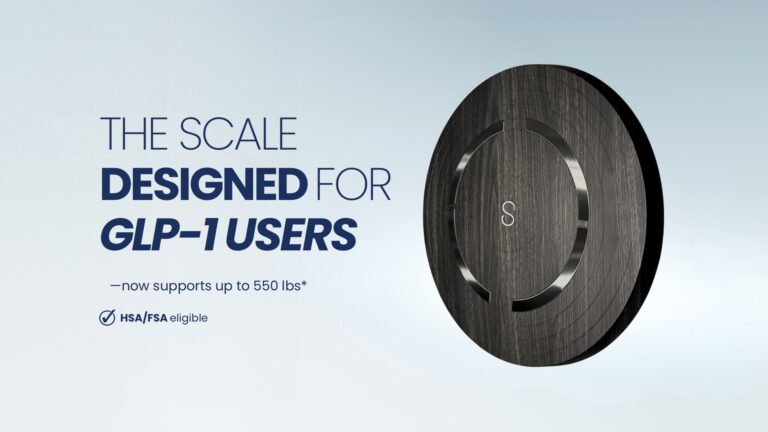
Shapa’s Numberless Scale® solves this problem by tracking trends over time rather than focusing on a single number. It helps you stay accountable without the emotional rollercoaster of seeing your weight fluctuate day-to-day.
- Instead of obsessing over numbers, focus on habits—consistency in exercise, nutrition, and sleep.
- Pay attention to how your clothes fit and how you feel rather than just weight.
- Trust the process—slow, steady progress is sustainable progress.
5. Build a System, Not Just Willpower
Willpower is a limited resource—it’s why most diets fail long-term. People who succeed don’t rely on willpower; they rely on systems.
- Meal prep so healthy choices are the default, not an effort.
- Remove trigger foods from your environment. If it’s not in the house, you won’t eat it.
- Schedule workouts like meetings—non-negotiable and consistent.
The key to keeping weight off post-GLP-1 isn’t just effort—it’s designing your environment for success.
GLP-1s Helped You Win the Battle. Now It’s Time to Win the War.
If you’ve lost weight on GLP-1s, that success is real.
The medication may have given you the tools to start, but the next phase is about something even more important: maintaining it for life.
The truth is, your progress was never just about the medication. It was about the habits you built, the mindset you developed, and the commitment you made to your health. And those things? They don’t disappear when the injections stop.
Shapa is here to make sure you don’t lose sight of the bigger picture. Because your success doesn’t end when GLP-1s do. It’s just getting started.