Serena Williams Just Partnered with Ro—But What Does That Mean for the Future of GLP-1s and Weight Loss?

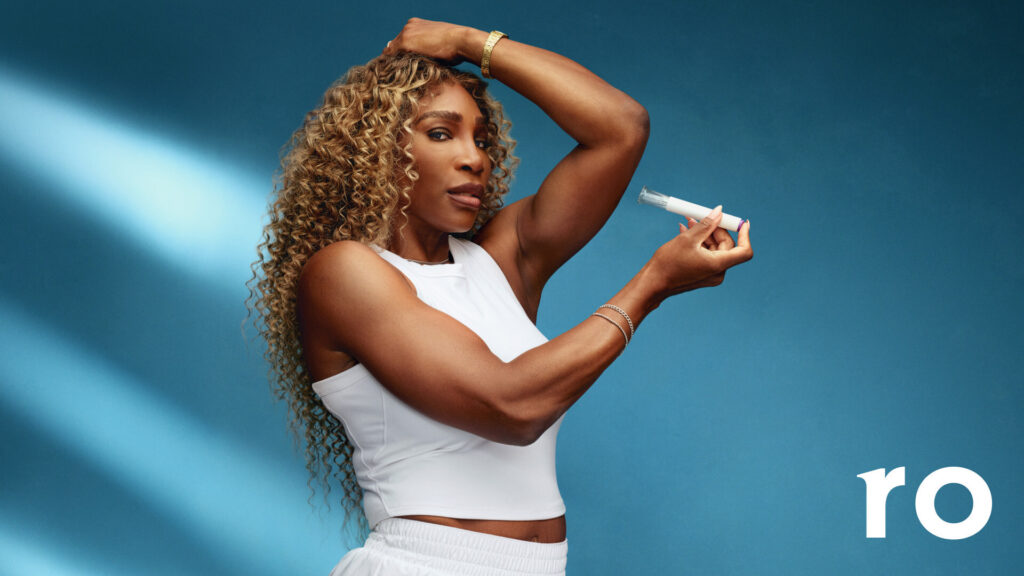
When Serena Williams makes a move, the world watches. She’s not just a tennis legend; she’s a cultural icon who has spent her life redefining what strength, resilience, and success look like. So when news broke that Serena was partnering with Ro—a digital health company that offers GLP-1 medications for weight loss—it made headlines.
And yes, it’s refreshing to see someone of her stature openly acknowledge the use of medications like GLP-1s. For so long, weight loss drugs have been shrouded in stigma, whispered about in secret. Serena’s partnership has the potential to normalize the conversation. But here’s the catch: while it’s great to see GLP-1s in the spotlight, moments like these can also dilute just how significant these medications really are.
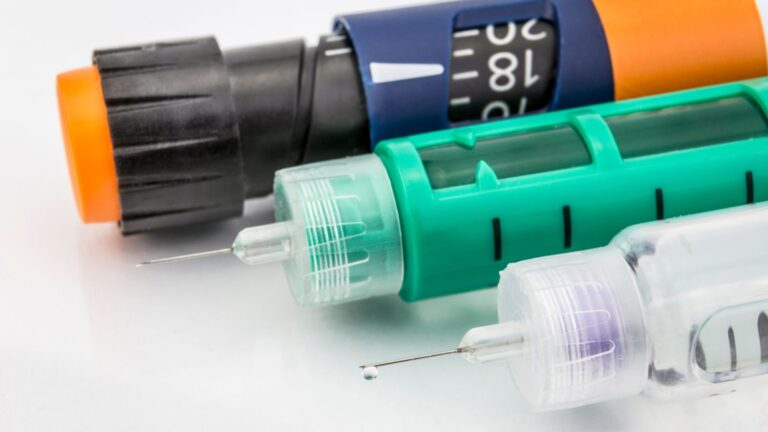
They are powerful, prescription-only medications designed to support people battling obesity and metabolic disorders. When the narrative becomes “everybody’s on them,” it risks minimizing the gravity of what these medications do and the medical oversight they require.
There’s also a layer of complexity here. Serena’s husband, Alexis Ohanian, sits on Ro’s board. Which means this partnership is more than just a casual collaboration—it’s deeply tied to business strategy. That doesn’t make it bad, but it does mean we need to read between the lines.
Here’s the truth: GLP-1s are groundbreaking.
They work in ways diet and exercise alone can’t for some people, giving millions hope where there was once only frustration. But they are not a magic wand. They don’t replace lifestyle, and they don’t replace the importance of building habits that last.
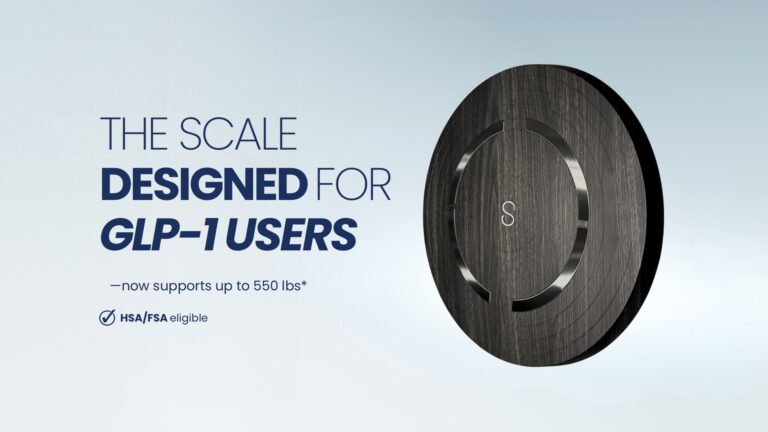
That’s where Shapa comes in.
Think of GLP-1s as an incredible accelerator—but without a roadmap, accelerators can spin you in circles. Shapa helps people build the habits that GLP-1s can’t teach you: eating mindfully, moving your body consistently, and rewiring the behaviors that created unhealthy cycles in the first place. Shapa doesn’t replace medicine—it amplifies it. And unlike medication, habits have no side effects. They’re the foundation for lasting health whether you’re on GLP-1s or not.
It’s also critical to underscore this: starting, staying on, or stepping off a GLP-1 medication is not a DIY project. These medications change how your body functions, and you need a doctor guiding you every step of the way. Too many people jump on board after a headline or influencer post without truly understanding what’s happening inside their bodies. That’s dangerous.
So yes, Serena’s move with Ro is powerful—it’s tearing down walls of shame and showing that even icons use help when they need it. But as we cheer, let’s also stay clear-eyed. GLP-1s are medicine. They are life-changing, but they are serious.
And while they can give you the push you need, Shapa ensures you know where you’re going. Because at the end of the day, it’s the small, consistent habits—those zero-side-effect behaviors—that create the health you want to keep.
So if you’re considering GLP-1s, do it with your doctor. Do it with eyes wide open. And do it with Shapa by your side, so that when the medicine does its job, your habits can take the baton and carry you to the finish line.