What GLP-1 Drugs Reveal About Behavior


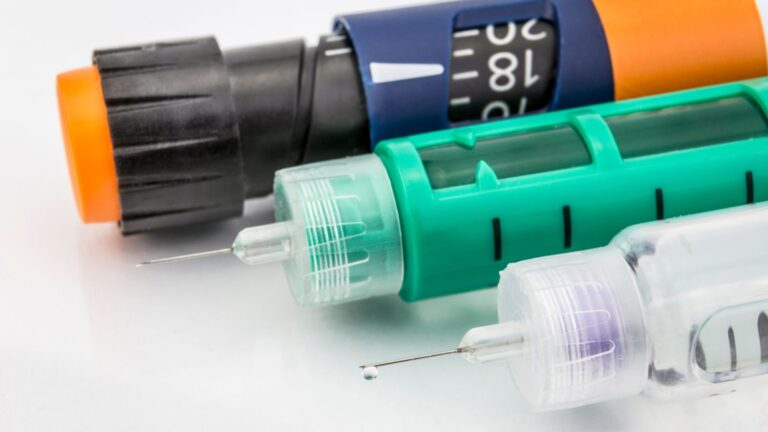
A new study has given researchers a clearer picture of why popular GLP-1 weight-loss drugs like Ozempic and Zepbound appear to curb alcohol cravings.
Published in Scientific Reports, the pilot study found that these medications may slow the speed at which alcohol enters the bloodstream. This, in turn, reduces how intensely a person feels alcohol’s effects on the brain.
“People who drink know there’s a difference between nursing a glass of wine and downing a shot of whiskey,” explained researcher Alex DiFeliceantonio, interim co-director of the Fralin Biomedical Research Institute at VTC’s Center for Health Behaviors Research. “Both drinks contain the same amount of alcohol, but the shot brings a rapid increase in blood-alcohol content and, subsequently, intoxication.”
She added, “Why would this matter? Faster-acting drugs have a higher abuse potential. They have a different impact on the brain. So if GLP-1s slow alcohol entering the bloodstream, they could reduce the effects of alcohol and help people drink less.”
Researchers recruited 20 adults with obesity, half of whom were taking a GLP-1 drug. Each participant consumed an alcoholic beverage within 10 minutes, while researchers measured breath alcohol and asked questions such as “How drunk do you feel right now?” on a scale from 1 to 10. The process was repeated three times over the course of an hour.
By the end of the experiment, participants taking GLP-1 drugs consistently reported feeling less intoxicated. The researchers concluded that GLP-1s likely slow the stomach’s emptying process, which decreases alcohol’s impact on the brain.
What This Means Beyond the Study
While these findings could eventually lead to new ways to treat alcohol dependence, they also raise an important question about behavior: if medication can dampen cravings, does it also change the habits that drive them?
GLP-1 drugs mimic a hormone that regulates insulin, appetite, and digestion. In doing so, they help people feel fuller faster and consume fewer calories. However, the behaviors that influence weight gain and alcohol consumption are deeply rooted in patterns of stress, reward, and routine.
This is where technology designed to encourage sustainable habits becomes essential.
Shapa’s Role in Building Behavioral Change
The Shapa Numberless Scale® was created to shift the focus from daily fluctuations to long-term progress. Instead of showing users their exact weight, the scale provides feedback based on patterns and trends, helping them build consistency without the anxiety or fixation often triggered by a number.
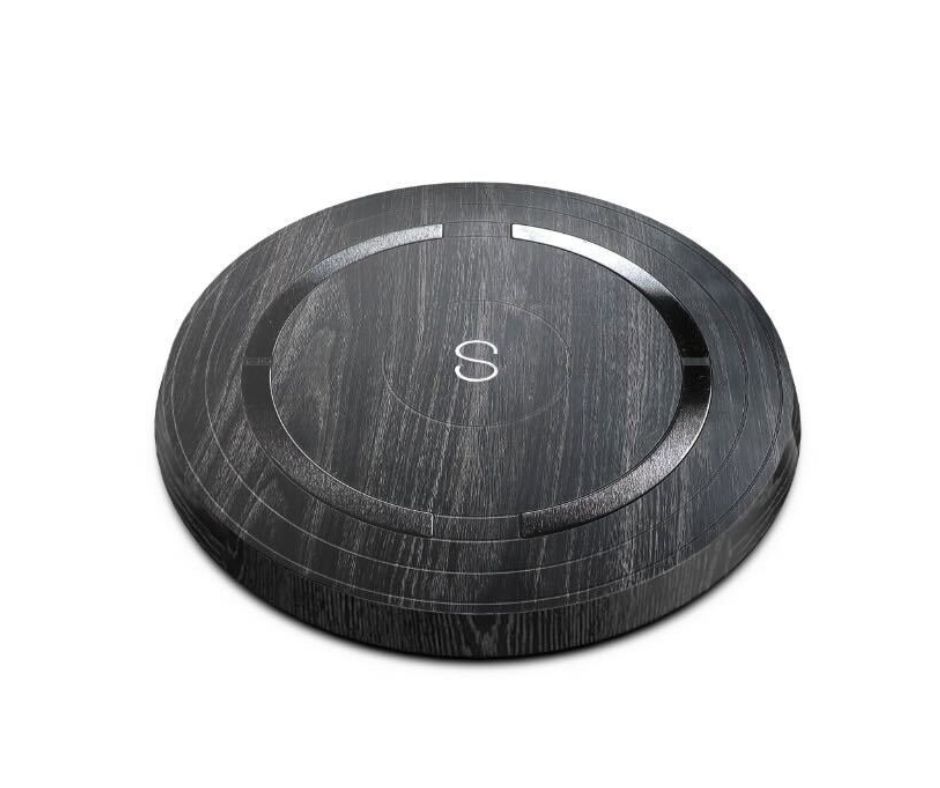
In the context of medications like GLP-1s, this behavioral approach can help bridge the gap between biological response and lifestyle change. For many people, medication can reduce appetite or cravings, but it does not teach how to create balance or self-awareness. Shapa helps fill that gap by encouraging daily engagement through personalized missions that support lasting habits, such as mindful eating, increased movement, and improved sleep routines.
This kind of structure helps individuals internalize healthy behaviors so that progress continues even when medication stops. It promotes a sense of autonomy rather than dependency.
Why This Matters Now
As new research continues to uncover how GLP-1s influence everything from appetite to alcohol intake, the conversation around health is expanding beyond biology. The intersection of physiology and psychology is where long-term success happens.
While medication can initiate change, habits sustain it. Health is not just about suppressing cravings or slowing digestion; it is about creating an environment where healthy choices become natural.
That is the philosophy behind Shapa’s Numberless Scale®. It removes the emotional weight of numbers, builds consistency through behavioral science, and reminds users that meaningful progress is measured in patterns, not in pounds.