The Real Reason GLP-1 Weight Loss Results Fade

It’s easy to get swept up in the promise of a miracle drug.
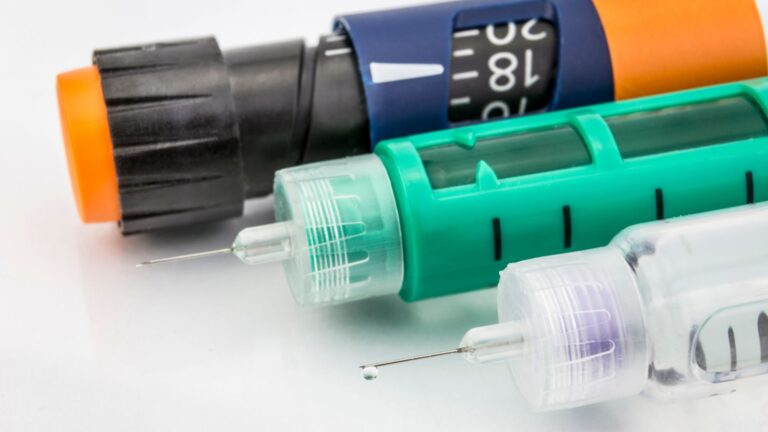
The headlines have been everywhere: “Semaglutide leads to dramatic weight loss.” “Tirzepatide offers hope in the fight against obesity.” These GLP-1 receptor agonists, once reserved for managing type 2 diabetes, are now front and center in obesity treatment—and for good reason.
In clinical trials, participants lost up to 15–20% of their body weight, and in some cases even more. Physicians, patients, and policymakers alike hailed them as a new frontier in weight management. For millions who had tried and failed with diet and exercise alone, this was the medical revolution they’d been waiting for.
But there’s a massive, underreported gap between clinical promise and real-world results—and it’s costing people their progress.
A Closer Look at What Happens After the Prescription
A recent observational study of 7,881 adults using semaglutide or tirzepatide for weight loss (excluding patients with type 2 diabetes) uncovered a troubling trend:
- Patients who stayed on treatment for 12 months lost an average of 11.9% of their body weight.
- Those who discontinued within the first 3 months lost just 3.6%.
- Early quitters saw almost no change in A1c (0.1% vs. 0.4% in those who persisted).
- Over 50% of patients had stopped the medication by the one-year mark.
- Only 19% reached the higher, guideline-recommended doses that yield the best outcomes.
Let that sink in: over half of people on the most promising weight loss medications we’ve ever seen didn’t make it a year. And because of that, the majority didn’t get anywhere near the results they could have.
This isn’t a minor dropout problem—it’s a structural failure in how we support people after they start medication.
Real People, Real Struggles
Talk to anyone who’s tried GLP-1s and you’ll hear the same thing: “The first few weeks were rough.” Side effects like nausea, vomiting, and fatigue can derail even the most motivated. Others feel disappointed when the scale doesn’t move as quickly as they hoped.
“I expected to see five pounds gone in the first week,” one user admitted. “But my weight bounced around. It felt like nothing was happening.”
And when people don’t see results fast enough—or can’t interpret their progress in context—they quit. Not because they’re weak, but because the system gives them no tools to persist.
This is where the medical model breaks down. Because while GLP-1s influence metabolism and appetite, they don’t address behavior. They don’t teach someone how to respond to cravings at 10 p.m. They don’t support building routines or reframing how progress looks.
They don’t give people a reason to stay the course.
Enter Shapa: Where Behavior Meets Medicine
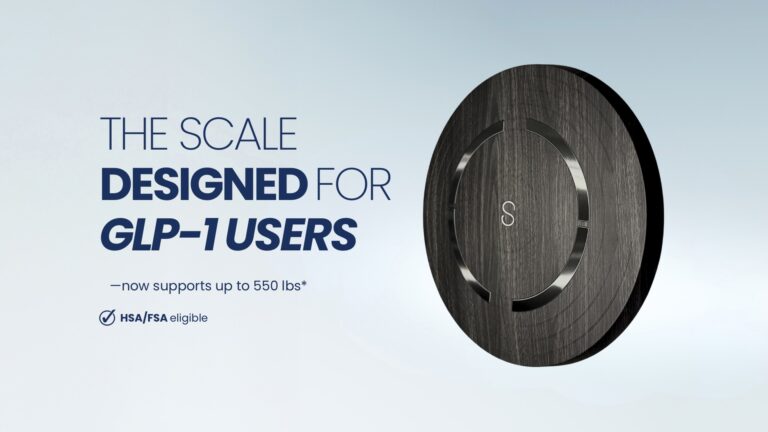
Shapa isn’t a scale. It’s a behavioral support system disguised as one.
At its core is a Numberless Scale® that removes daily weight data altogether—because research shows that obsessive tracking can trigger anxiety, perfectionism, and shame, all of which contribute to dropout.
Instead of numbers, Shapa uses a color feedback system to reflect long-term trends. Over time, that reduces scale anxiety and keeps people focused on behavior and consistency, not daily fluctuations.
Paired with its AI-powered app, Shapa delivers:
- Personalized nudges and insights based on your actual behavior and progress
- Daily habit prompts rooted in behavioral science—not crash dieting
- Real-time encouragement that makes users feel supported, not judged
- A clear, consistent feedback loop that reinforces long-term habits
It’s like having a behavioral coach in your pocket—one that shows up every day, even when the motivation doesn’t.
Why GLP-1 Success Depends on Tools Like Shapa
Let’s be clear: GLP-1s work. But only if patients stay on them. And right now, the majority aren’t.
- In one U.S.-based commercial insurance claims analysis, 71% of semaglutide users discontinued within 12 months.
- Another study of tirzepatide users showed that fewer than 1 in 4 patients persisted for more than 6 months.
Those are catastrophic numbers—not because the medications failed, but because the patients were set up to fail after the prescription was written.
Shapa closes that gap. It turns intention into action, and action into results. It creates structure without shame, support without surveillance, and progress without obsession.
For clinicians, it’s a powerful, evidence-informed way to help patients stay connected to their long-term goals. For patients, it’s a lifeline that keeps them engaged when everything else starts to feel overwhelming.
The Future of Weight Loss Is Integrated, Not Isolated
Medications alone can’t fix the obesity epidemic. They never could.
They can jumpstart the process—but they can’t build new habits, regulate emotions, or hold your hand through the hard days. That’s what behavior does. That’s what support does.
Shapa is what happens when we stop pretending that people can fight biology, psychology, and decades of habit alone. It’s what happens when we bring behavioral science into the treatment room—and, more importantly, into the home.
So no, Shapa isn’t a miracle solution. It’s something better: it’s the missing infrastructure that helps all the other solutions finally work.