
What GNC’s New GLP-1 Research Means for Long-Term Health

The global health and wellness conversation is changing fast.
With the rise of GLP-1 receptor agonists such as Ozempic, Wegovy, and Mounjaro, weight management is being redefined through the lens of pharmacology. Once reserved for diabetes management, these medications have now become central to modern weight-loss strategies, showing profound effects on appetite, metabolism, and overall body composition.
But as millions of people embrace these powerful tools, a new question has emerged:
What happens after the medication?
That’s where this week’s news from GNC enters the conversation.
The company, long recognized as a global leader in nutrition and wellness, has published a peer-reviewed article in Obesity Pillars titled “Dietary Supplement Considerations During Glucagon-like Peptide-1 Receptor Agonist Treatment: A Narrative Review.” It’s the first of its kind to provide evidence-based guidance for clinicians and consumers navigating the intersection of GLP-1 therapies, nutrition, and supplementation.
Bridging a Critical Knowledge Gap
GNC’s review acknowledges what healthcare professionals have been observing for months: while GLP-1 medications are highly effective for weight loss, they also present challenges.
Patients often experience nutrient deficiencies, loss of lean muscle, and changes in metabolism as they lose weight rapidly. Without the right nutritional support, these side effects can undermine long-term wellness, especially when medication use tapers off.
The review, led by Dr. Brittany Johnson, identifies how certain supplements can help close those gaps by supporting muscle preservation, nutrient balance, and digestive health. Recommendations include:
- Multivitamins & Vitamin D: Address nutrient shortfalls and maintain metabolic balance.
- Omega-3s: Support cardiovascular and muscle health.
- Protein, Creatine & HMB: Preserve lean body mass during calorie restriction.
- Antioxidants like CoQ10 and polyphenols: Mitigate oxidative stress.
- Fiber & Probiotics: Improve gut function and ease gastrointestinal effects.
- Thermogenics such as green tea extract or caffeine: Support energy expenditure.
Together, these supplements form a science-based framework for integrating nutrition into GLP-1 treatment plans, helping people not only lose weight but sustain health.
The Missing Ingredient: Behavior
Still, supplements and medications are only one part of the story.
Even with cutting-edge science, lasting health requires consistent behavior, and that’s where most weight-loss journeys falter.
When patients stop taking GLP-1s, many experience weight regain. This isn’t a failure of willpower; it’s a reflection of habit patterns that never changed. Without new behaviors to anchor progress, old routines quietly return.
That’s why tools like Shapa’s Numberless Scale® have become increasingly relevant in this new health era.
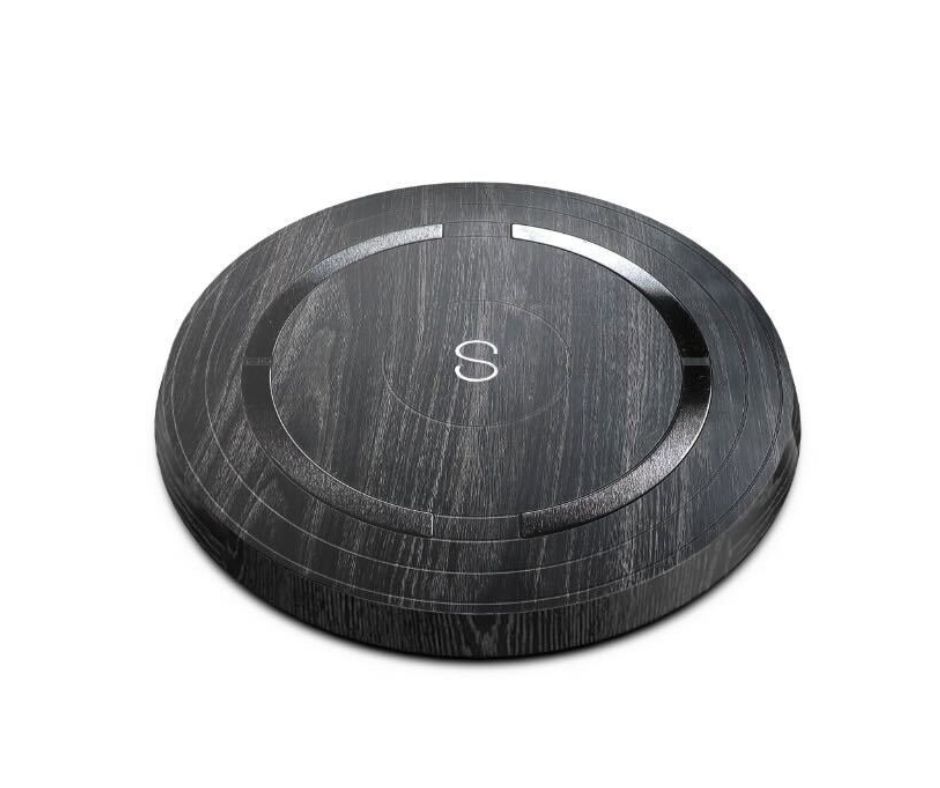
Instead of reinforcing daily number fluctuations that can trigger stress or discouragement, Shapa’s scale focuses on behavioral reinforcement, rewarding users for maintaining positive actions such as consistent activity, balanced eating, and better sleep.
It’s built on decades of behavioral science showing that sustainable weight management comes from habit formation, not data obsession.
A New Mindset for a New Era
The combination of GLP-1 medications, targeted nutrition, and behavioral tools represents a paradigm shift in wellness, one that merges clinical science with behavioral intelligence.
GNC’s leadership in publishing this review reflects an important recognition: consumers need more than products. They need context, education, and structure. And companies like Shapa are bridging that behavioral gap by helping people measure progress in healthier, more mindful ways.
In fact, Shapa’s Numberless Scale® has already been adopted by healthcare organizations and wellness programs seeking to improve adherence and mindset among weight-management patients. By replacing numerical weigh-ins with color-based feedback, it allows users to stay motivated and track change over time without the emotional rollercoaster of seeing numbers fluctuate.
The Science of Sustainability
What’s emerging now is a more complete model of health that integrates:
- Medication for metabolic reset
- Nutrition for biological balance
- Behavioral design for long-term sustainability
This trifecta represents the next generation of health management: personalized, evidence-based, and psychologically intelligent.
As GNC continues to lead with research-driven supplement innovation, and as clinicians integrate GLP-1s into patient care, the behavioral component will remain critical. Weight loss achieved through medication can be meaningful, but without lasting habits, it’s rarely maintained.
Shapa was designed for this exact reality. By helping people build micro-habits and view progress through consistency, not comparison, it supports what the science is now proving: sustainable results start with behavior.
Sustaining Change
GNC’s new research highlights an undeniable truth: science can spark change, but habits sustain it.
As GLP-1 treatments become mainstream, the real measure of success won’t be how much weight is lost, but how well individuals adapt their behaviors for life after medication.
And that’s where Shapa steps in, turning behavioral change into something measurable, empowering, and free from numbers.
Because in the end, the healthiest weight is the one sustained by your habits, not your scale.