How GLP-1 Weight-Loss Medications Impact Alcohol Absorption and Cravings


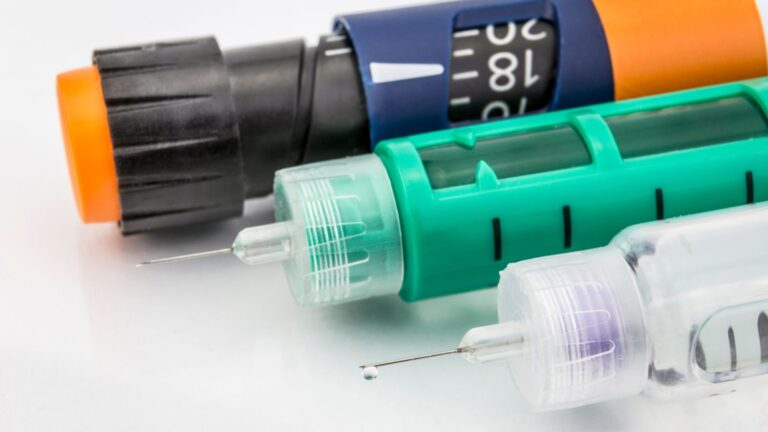
A recent study from Virginia Tech analyzed how GLP-1 medications such as Ozempic, Wegovy, and Mounjaro affect alcohol absorption and perceived intoxication. Researchers measured breath alcohol levels and self-reported intoxication in adults with obesity, comparing participants taking GLP-1 drugs with those who were not.
The findings suggest that people taking GLP-1 medications experienced a slower rise in alcohol levels and reported feeling less intoxicated in the first 20 minutes after drinking. The study attributes this effect to the drugs’ influence on gastric emptying, which delays how quickly alcohol enters the bloodstream.
“We have evidence that these drugs do reduce drinking outside the lab,” study co-author Alex DiFeliceantonio, assistant professor and interim co-director of the institute’s Center for Health Behaviors Research, told Fox News Digital. “What we wanted to understand in this study was how.”
“People who drink know there’s a difference between nursing a glass of wine and downing a shot of whiskey,” she went on. “Faster-acting drugs have a higher abuse potential. They have a different impact on the brain. So, if GLP-1s slow alcohol entering the bloodstream, they could reduce the effects of alcohol and help people drink less.”
The study involved only 20 adults with obesity and was not randomized. “More studies are needed to help establish how effective these drugs are, what the long-term effects are, if some are better than others, and what dose is most effective for reducing drinking verus controlling blood glucose, for example,” DiFeliceantonio said. “These are all open questions.”
Akshaya Bhagavathula, Ph.D., an associate professor of epidemiology at North Dakota State University and a fellow of the American College of Epidemiology, said the study is too small to prove causation and offers an “interesting signal, not a conclusion.”
“Future research should monitor total alcohol intake and craving patterns over time to understand if this compensation occurs,” he told Fox News Digital.
“GLP-1 receptors influence reward signaling and craving, not only for food but for substances like alcohol and nicotine,” he said. “If confirmed in larger studies, these medications could represent a new class of metabolic-based addiction treatments — bridging endocrinology and behavioral health.”
“It’s time to move beyond viewing them as ‘weight-loss mania,'” the expert added. “GLP-1 drugs regulate appetite, reward and metabolism in complex ways that reach beyond weight.” He emphasized that public messaging should highlight the drugs’ medical value and the need for clinical oversight.
Context and Broader Implications
GLP-1 medications are primarily prescribed to manage weight and blood sugar, yet their effects may extend into behavioral health, including alcohol use. Alcohol consumption is common in the U.S., with more than half of adults drinking and about one in ten affected by alcohol use disorder. Understanding how medications interact with alcohol is important for safety, moderation, and overall health outcomes.
The study highlights the need for personalized health monitoring. Even medications with clear metabolic benefits can produce different outcomes depending on individual factors such as age, weight, lifestyle, and concurrent behaviors. A slower rise in alcohol absorption could affect how someone plans meals, exercises, or monitors calorie intake.
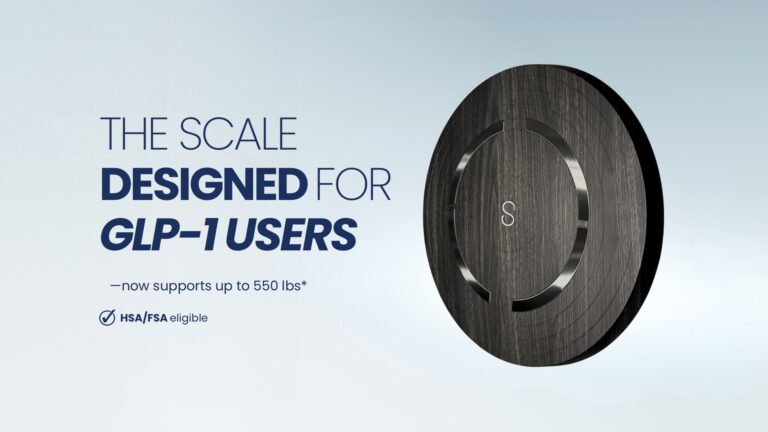
This is where Shapa’s Numberless Scale® can play a role. The scale tracks weight trends, body composition, and metabolic patterns without focusing on daily numbers that can cause stress. By providing insights into long-term trends rather than short-term fluctuations, Shapa helps individuals make informed decisions about health and lifestyle.
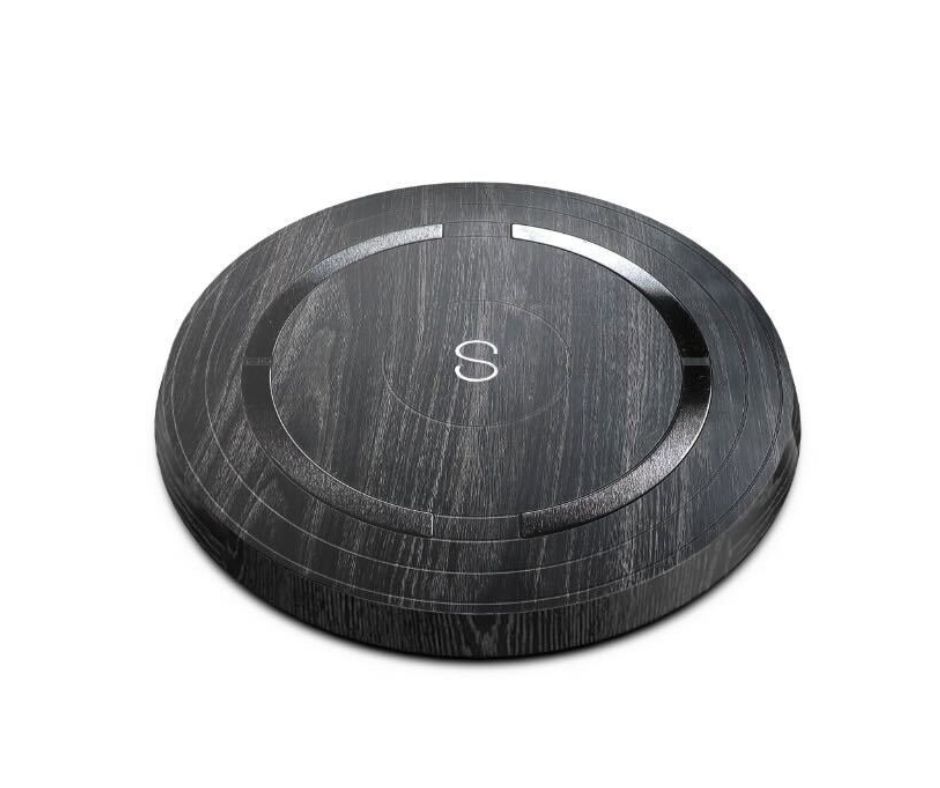
For people taking GLP-1 drugs, tracking patterns over time can support understanding how medication, diet, and alcohol interact with weight and metabolism. This information can inform healthier choices and provide a clearer picture of personal wellness.
Key takeaway: GLP-1 medications may influence alcohol absorption and perceived intoxication, but individual responses vary. Combining careful monitoring, awareness of lifestyle behaviors, and trend-based insights from tools like Shapa’s Numberless Scale® supports informed, sustainable health decisions.