Sweeteners vs Sugar: What a Year-Long Study Revealed About Weight, Gut Health, and Metabolism


For decades, artificial sweeteners have lived under the shadow of controversy. They have been accused of confusing the body, harming the gut, and even encouraging overeating. Headlines and social media have fueled this narrative, often without the depth of evidence needed to understand the full story.
But a landmark study published in Nature Metabolism in 2025, known as the SWEET Study, paints a more nuanced picture. Over the course of twelve months, researchers followed adults who committed to a healthy, low-sugar diet. The goal was to see what would happen if some of those individuals replaced sugar with low- and no-calorie sweeteners.
What they discovered challenges much of what we thought we knew about sweeteners and their place in a healthy lifestyle.
The Study That Redefined the Debate
Researchers divided participants into two groups. One group followed a low-sugar diet that met standard health guidelines. The other followed the same diet but replaced some sugar-rich foods and drinks with sweetener-based alternatives.
After one year, the differences between the two groups were clear:
- Better weight maintenance: The sweetener group maintained an average of 1.6 kilograms more weight loss than the control group (P = 0.029).
- Healthier gut microbiota: The sweetener group showed more short-chain-fatty-acid–producing species, a type of bacteria associated with reduced inflammation and better metabolic health.
- No metabolic harm: There were no negative effects on glucose, cholesterol, or heart health markers.
The Context That Changes Everything
Both groups consumed less than 10 percent of their total calories from added sugars. The difference was not the presence or absence of sweeteners but how they were used. The group that replaced sugar with sweeteners benefited. The group that avoided both did not show harm, but they also did not sustain the same level of weight maintenance.
This distinction is critical. The benefits came from replacement, not addition. Sweeteners were not magic solutions, but practical tools that helped people cut down on sugar while maintaining a sense of normalcy in their diet.
That nuance matters. Diets that are too rigid tend to fail because they rely on restriction rather than substitution. The SWEET Study demonstrates that when used strategically, sweeteners can support long-term behavioral change by reducing the sense of deprivation that often derails progress.
Why This Matters More Than Ever
In 2023, the World Health Organization issued guidance against using sweeteners, arguing that they do not help with weight loss and may carry long-term risks. That position was largely based on short-term studies and population-level associations rather than controlled long-term data.
The SWEET Study fills that gap by tracking participants for an entire year under structured conditions. The findings suggest that context matters more than categorical rules. When sweeteners replace sugar within a balanced, low-sugar diet, they may support weight management, healthier gut composition, and better adherence to dietary goals—all without causing measurable harm.
This is an important reminder for anyone trying to make sustainable lifestyle changes. Nutrition is rarely about absolutes. It is about balance, strategy, and the ability to adapt choices to real life.
A Balanced Interpretation of the Results
As with all studies, context and limitations matter.
Approximately 40 percent of participants dropped out before completing the study, which means long-term adherence remains a challenge. The sweetener group also reported more mild gastrointestinal symptoms, suggesting that not everyone tolerates all sweeteners the same way. The research was funded by the EU Horizon 2020 program, which is worth noting for transparency, though it did not appear to bias results.
Still, taken together, the data offer a clear message: replacing sugar with well-chosen sweeteners, as part of an overall healthy diet, can be a realistic path toward sustainable weight maintenance and better metabolic balance.
What This Means for Behavior Change
At Shapa, we look at findings like these through the lens of human behavior. The real insight here is not just about what people eat, but how they stay consistent with change over time.
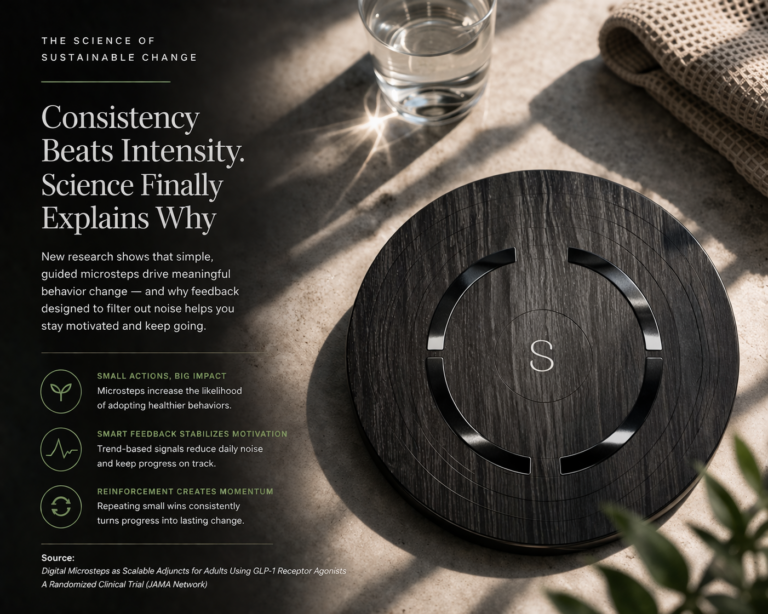
Cutting sugar is one of the hardest health goals to maintain. It demands consistency, awareness, and the ability to see progress even when it feels slow. That is why Shapa’s Numberless Scale® was designed—to help people focus on patterns, not numbers.

Instead of showing fluctuating weight readings that can trigger frustration, Shapa’s Numberless Scale® uses color-based feedback to reflect meaningful progress over time. It teaches users to focus on behavior and trends, not temporary ups and downs.
This behavioral approach mirrors the findings of the SWEET Study. Participants succeeded when they made small, sustainable replacements rather than radical changes. Similarly, Shapa helps people succeed by redefining what progress looks like—shifting the focus from daily judgment to long-term health and stability.
The Takeaway
The SWEET Study underscores a broader truth: health is contextual. When used thoughtfully, sweeteners can help people reduce added sugar intake, maintain weight loss, and support metabolic health without the drawbacks often portrayed in popular media.
Progress in nutrition, just like progress in weight management, is rarely linear. It requires the right tools, consistent habits, and a mindset grounded in self-awareness.
Shapa’s Numberless Scale® empowers individuals to see that progress differently. It removes the anxiety of numbers and replaces it with feedback that reflects the bigger picture—one that values consistency, behavior, and long-term well-being over short-term outcomes.