The Problem With BMI

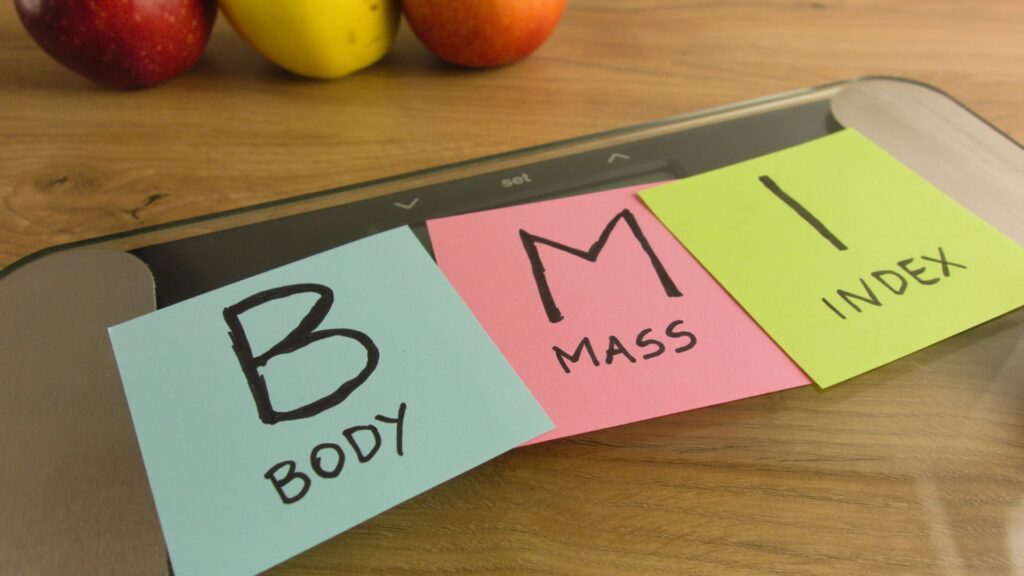
For something that influences doctor visits, insurance categories, fitness goals, and self‑esteem, Body Mass Index carries remarkable authority.
It is cited in exam rooms. Printed on medical charts. Built into health apps. Used to classify millions of people as underweight, normal, overweight, or obese.
But BMI was never designed to measure individual health.
It was created in the 1800s by a mathematician who wanted a quick way to describe average body size across large populations. It was a statistical shortcut — not a diagnostic tool. Not a measure of fitness. Not a reflection of metabolic health. And certainly not a verdict on your personal wellbeing.
Yet today, three letters still shape how people feel about their bodies.
What BMI Actually Measures
BMI is a simple ratio of weight to height.
That’s it.
It does not measure:
• Body fat percentage
• Muscle mass
• Bone density
• Fat distribution
• Metabolic health
• Hormonal health
• Cardiovascular fitness
• Strength or endurance
• Lifestyle habits
Two people can have the exact same BMI and radically different health profiles. One may be strong, metabolically healthy, and physically active. The other may carry higher visceral fat, experience metabolic dysfunction, and struggle with inactivity.
BMI cannot tell the difference.
Why BMI Can Be Misleading
Because BMI compresses human complexity into a single ratio, it often creates false narratives.
It can label muscular individuals as overweight.
It can classify metabolically unhealthy individuals as normal.
It can ignore improvements in fitness, strength, and lab markers.
It can overlook meaningful fat loss masked by muscle gain.
And when effort doesn’t translate into a “better” BMI category, motivation suffers.
People think:
“I’m doing everything right.”
“Why isn’t this working?”
“What’s the point?”
The issue isn’t discipline. The issue is measurement.
The Emotional Cost of Oversimplified Metrics
Numbers feel objective. Scientific. Final.
But when incomplete metrics are treated as truth, they shape emotions and behavior in powerful ways.
BMI‑driven feedback can:
• Trigger shame before progress is visible
• Reduce motivation after consistent effort
• Create anxiety around weigh‑ins
• Encourage extreme or unsustainable behaviors
• Damage long‑term adherence to healthy habits
A tool meant to support health can quietly undermine it.
Health Is a Direction, Not a Category
Real health doesn’t happen in neat classifications.
It happens in trends. In behaviors. In small decisions repeated daily.
• Choosing movement more often
• Eating with greater intention
• Sleeping more consistently
• Managing stress more effectively
• Building strength over time
These changes improve metabolic markers, body composition, energy levels, and disease risk — even when weight shifts slowly.
But BMI doesn’t capture trajectory. It captures a snapshot.
And snapshots miss the story.
The Scale Problem
Traditional scales compound the issue.
Weight fluctuates daily due to hydration, sodium intake, hormonal cycles, inflammation, sleep patterns, and strength training adaptations. These normal shifts can mask real progress.
Yet each weigh‑in presents a raw number with no context.
The brain fills in the meaning:
“Up means failure.”
“Down means success.”
That emotional rollercoaster erodes consistency — the very thing sustainable health requires.
What Better Measurement Looks Like
If BMI is incomplete and daily weight is noisy, better health tracking must:
• Emphasize long‑term trends
• Filter out normal fluctuations
• Reduce emotional volatility
• Reinforce consistent behaviors
• Provide feedback without judgment
Tools should guide decisions, not dictate self‑worth.
How Shapa’s Numberless Scale® Changes the Experience
Shapa’s Numberless Scale® was designed to solve the psychological and practical gaps BMI and traditional scales leave behind.
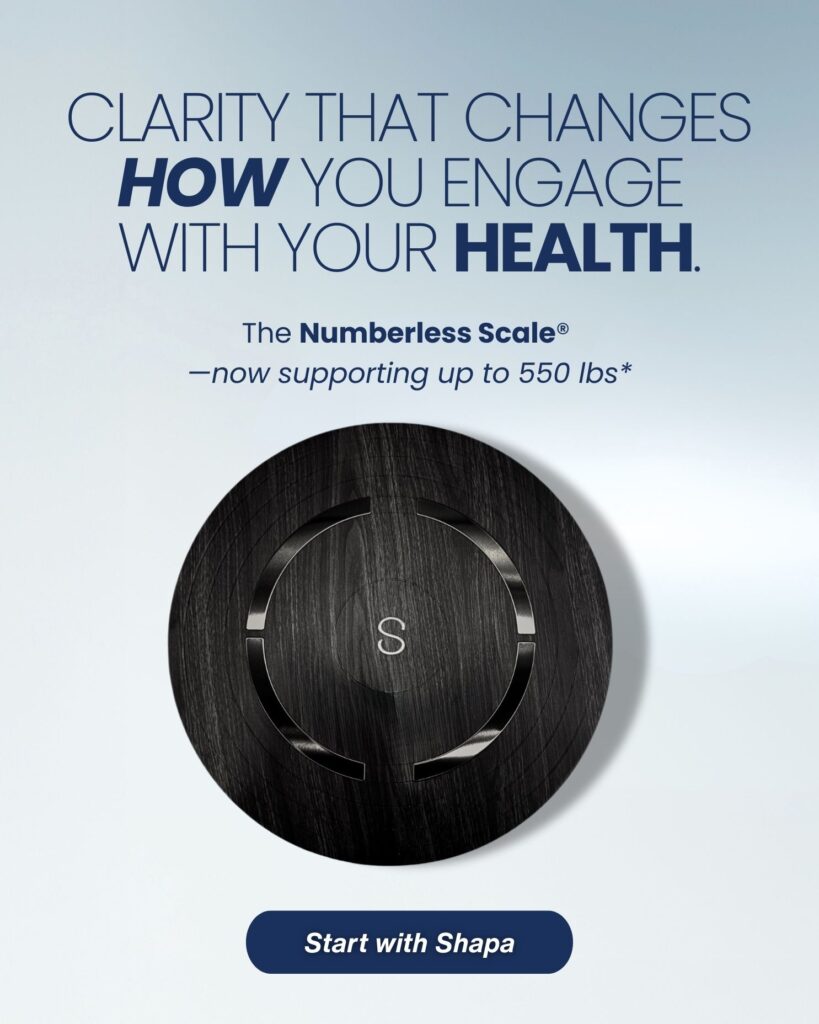
Instead of displaying a raw weight number, it translates measurements into a simple color‑based system that reflects your long‑term trajectory.
No daily spikes.
No confusing fluctuations.
No shame spiral.
Just meaningful feedback.
Why This Matters
1. You See Direction, Not Distraction
Normal day‑to‑day changes are filtered out so you can understand whether your habits are moving you forward.
2. Motivation Stays Intact
Removing numbers reduces the emotional highs and lows that derail consistency.
3. Habits Become the Focus
Attention shifts from outcomes you can’t control to behaviors you can: movement, nutrition, sleep, and stress management.
4. Progress Becomes Sustainable
When feedback feels supportive rather than judgmental, people stick with healthy routines longer.
5. Health Becomes Personal Again
Instead of being defined by a population formula, your progress reflects your unique patterns and consistency.
From Judgment to Guidance
BMI classifies.
Shapa guides.
BMI delivers a label.
BMI asks whether you fit a category.
Shapa shows whether your habits are working.
That shift changes everything.
Take Back Control From Outdated Metrics
You are more complex than a ratio. Your progress is more meaningful than a category.
If you’re pursuing fat loss, metabolic health, behavior change, or long‑term wellness, you need tools aligned with modern science and human psychology.
Shapa’s Numberless Scale® helps you:
• Reduce anxiety around weigh‑ins
• Stay motivated through normal fluctuations
• Build consistency without emotional burnout
• Focus on controllable behaviors
• See real progress over time
This isn’t avoiding data. It’s using it intelligently.
Because real control doesn’t come from staring at a number.
It comes from understanding your trajectory — and having the confidence to keep going.