GLP-1 Side Effects & How to Manage Them for a Smoother Experience

Weight loss isn’t just about calories or cardio. It’s about identity, control, shame, hope—and for many, survival. So when a breakthrough like GLP-1 medications comes along and promises real, sustainable change, it’s no surprise millions are listening.
But with every miracle comes a reality check.
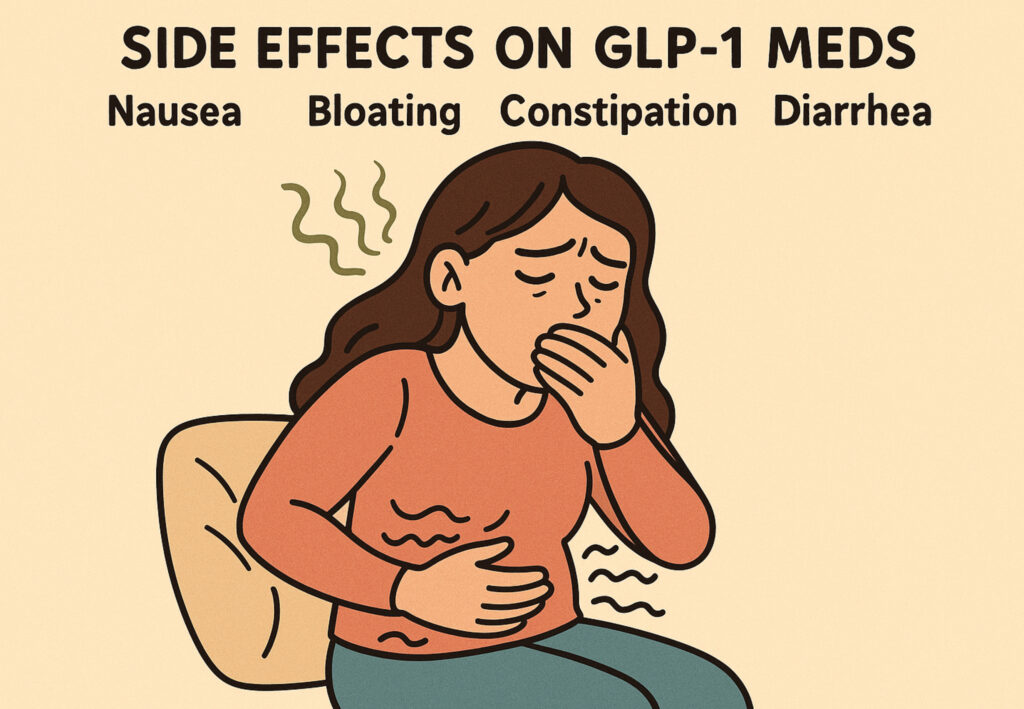
Nausea. Bloating. Constipation. Diarrhea.
Let’s call it what it is: the not-so-glamorous side of weight loss. The side no one puts on the packaging. If you’re on a GLP-1—whether it’s semaglutide, tirzepatide, or another—you know that the scale may be going down, but your gut might be screaming. And it’s not just your stomach that takes a hit—your social life, your confidence, even your daily routine can get thrown into chaos.
Still, you keep going.
Because the dream of finally feeling good in your body again feels worth it.
Why Do GLP-1s Cause Side Effects?
GLP-1 receptor agonists work by slowing gastric emptying, reducing appetite, and altering insulin secretion. Translation? Your stomach isn’t pushing food through as fast, your hunger signals are quieted, and your body learns to respond to food differently.
That’s revolutionary.
But it also means your body’s adjusting, hard. Here’s what many experience in the first few weeks:
- Nausea (especially after eating)
- Constipation or diarrhea
- Heartburn or burping
- Fatigue
- Loss of appetite to the point of food aversion
These side effects aren’t a flaw in the system—they’re signals. Your body is learning a new language.
How to Manage GLP-1 Side Effects Without Losing Your Mind
1. Start Low, Go Slow.
Work with your provider to start at the lowest dose possible and only increase when your body is ready. Speed is the enemy of sustainability.
2. Rethink Your Plate.
Skip greasy, high-fat meals and anything overly rich. Instead, opt for smaller, protein-rich meals throughout the day. Think gentle on the gut—chicken, rice, steamed veggies, soups.
3. Hydration Is Strategy, Not Suggestion.
Sip water all day—but slowly. Gulping can trigger nausea. Adding electrolytes may help with dizziness and fatigue.
4. Move. Even Just a Little.
Gentle movement after meals—like a 10-minute walk—can help with digestion and reduce the feeling of sluggishness.
5. Ginger, Peppermint, and Other MVPs.
Ginger tea, peppermint oil capsules, or even acupressure bands (like for motion sickness) can ease the queasiness.
GLP-1 Is Just the Beginning. What Comes After Matters More.
Let’s talk about the hard part no one wants to admit: getting off the medication.
Because eventually, you’ll want to taper off—or you’ll have to. Insurance might stop covering it. Your body might plateau. Life happens.
And when that day comes, the real test begins.
Can you keep the weight off? Can you maintain the habits when the appetite suppression wears off?
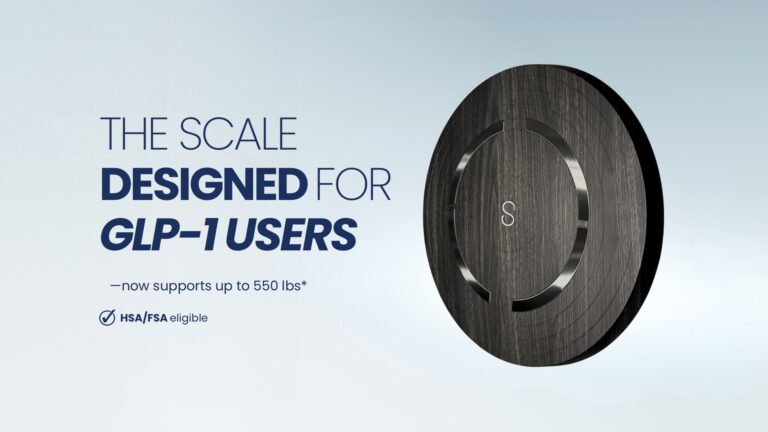
That’s where Shapa thrives.
Why Shapa Is the Perfect Partner When You Taper Off GLP-1s
Losing weight is one thing. Keeping it off—and staying strong—is another.
Stepping on the scale shouldn’t feel like a daily test. Yet, for many, that number dictates their mood, motivation, and even their self-worth.
Shapa changes that.
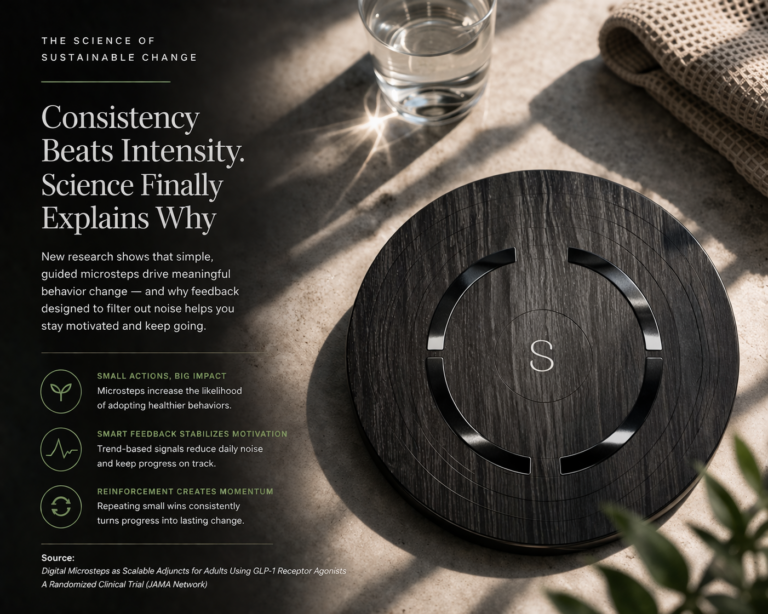
Our Stress-Free Numberless Scale® replaces numbers with a color-based system that tracks long-term trends, helping you focus on progress without the emotional rollercoaster. You step on daily, just like any other scale, but instead of fixating on weight, Shapa’s AI provides personalized insights to guide your journey.
- No more “bad” days because of a number.
- No more shame spirals.
- Just the truth: You’re building something that lasts.
Whether you’re on GLP-1s, tapering off, or done with them completely—Shapa meets you where you are. And walks with you every step of the way.
This Isn’t Just About Weight
This is about reclaiming control.
It’s about choosing you, every day—even when it’s hard.
It’s about learning that health isn’t a finish line. It’s a relationship. A rhythm. A process.
GLP-1s may help jumpstart your journey. But Shapa? We help you finish strong.